

"Overactive bladder symptoms have been shown to be influenced by these other areas in their life that can create a lot of stress and problems," says Raveen Syan, MD, FPMRS.
"Overactive bladder symptoms have been shown to be influenced by these other areas in their life that can create a lot of stress and problems," says Raveen Syan, MD, FPMRS.
"This all started because of the tidal wave of new therapies that are coming out for bladder cancer," says Jonathan Henderson, MD.

"There was also an emphasis on using pathways and navigation to help facilitate this large group of patients that are being seen by urologists," says Arpeet Shah, MD.

“Anytime as a urologist you have a patient who is peri or postmenopausal who is coming through your door, and they have a history of a urinary tract infection, this should be the first thought in your mind,” says Ashley G. Winter, MD.
"They found that about 68% of the patients with a PSA less than 1 actually had a positive test. And that's really important," says Jason M. Hafron, MD.

"I think it may provide better care. What has been shown though, with some things, is that it can make mistakes and tries to cover them up, and that can be a problem also," says E. David Crawford, MD.

“It's 2023. We have a lot of other options. I'm not really sure that would be my frontline therapy for my dad or a family member,” says Kevin C. Zorn, MD, FRCSC, FACS.

In this interview, Scott A. MacDiarmid, MD, discusses health care professional burnout, including how he came to be interested in the topic and what can be done to prevent burnout.

“It's important that everyone understands that once women move up the ranks from becoming residents to fellows to attending, and when they're attendings if they move up in the leadership, that they remain available for questions, guidance, mentorship, [and] sponsorship,” says Jennifer Miles-Thomas, MD.
"Urologists can play a central role in helping women through the symptoms that are associated with hormone issues," says Sarah K. Girardi, MD, FACS.

"We're all going through the same thing, so we should not be reinventing the wheel," says Dr. Kari Bailey.

"Most complications that happened, they happened within the first 48 hours postoperatively. Blood transfusions were by far the biggest contributor to this," says Matthew Epstein, MD.


"ctDNA holds a unique position as it offers a molecular means to quantify the extent of residual disease burden," says Adanma Ayanambakkam, MD.

"The idea being that it's a very low targeted dose; it does not raise blood estrogen levels, but it can specifically treat a lot of genital and urinary symptoms that are associated with a low estrogen state," says Ashley G. Winter, MD.
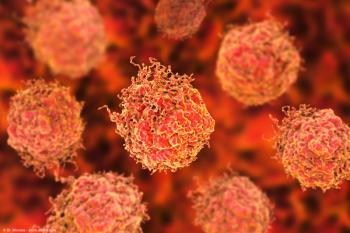
"We're pleased to report that there was a strong prognostic signal we found with the overall cohort," says Charles Parker, MD.

"We need to have some safety data to see if this is actually the right thing to do, because there's been some pushback, at least in some publications of the fact that we're pushing the burden of recovery at home," says Andres F. Correa, MD.

"If a patient begins treatment with platinum-based chemotherapy and maintenance immune checkpoint inhibition, second-line options may involve evaluating erdafitinib, ADCs, or participation in clinical trials," says Adanma Ayanambakkam, MD.

"If you disrupt a good patient-physician relationship to the point where patients actually don't seek the care they need, that's obviously very problematic," says Raveen Syan, MD, FPMRS.
"The main highlight of this trial was the complete response rate, which was around 22%," says , Guru P. Sonpavde, MD.

"The surprise to me was the grade 3/4 adverse events [were] better with 177Lu-PSMA-617, SAEs [were] better with 177Lu-PSMA-617, and dose adjustments [were] better with 177Lu-PSMA-617," says Oliver Sartor, MD.

"With this specific study, what we wanted to do is find out whether there was more information that we could leverage from preexisting material within the STRATOSPHere Biomarker Development Study; namely, the diagnostic H&E sample," says Charles Parker, MD.

Toni K. Choueiri, MD, highlights data from the phase 2 LITESPARK-003 trial, which were presented at the 2023 ESMO Congress.

"TAR-210 is set to become a potentially new option for this patient population after failure of BCG treatment," says Andrea Necchi, MD.
“In other words, there's a 72% less chance of recurrence with oral erdafitinib than with standard of care. The problem is tolerability,” says James W.F. Catto, PhD, FRCS.

“The recommended phase 2 dose was dose level 2, so 8 mg/kg of SG with EV 1.25mg/kg,” says Bradley McGregor, MD.

“We have not previously managed to beat first-line chemotherapy in any trial in unselected first-line urothelial cancer, so this is a big step in that direction,” says Thomas B. Powles, MBBS, MRCP, MD.

“These data from the MAGNITUDE study demonstrate the risk-benefit profile for the combination of niraparib plus abiraterone acetate for patients with metastatic CRPC and BRCA mutations and establishes a new standard of care for these patients,” says Kim Nguyen N. Chi, MD, FRCPC.

“This is the first study in upper tract urothelial carcinoma to show that ctDNA may be used to refine clinical staging and prognosis in these patients prior to surgery,” says Heather L. Huelster, MD.

“In fact, we actually found that there were more lawsuits that were directed at physicians who did not recommend active surveillance when it was an appropriate treatment strategy,” says Timothy J. Daskivich, MD, MSHPM.